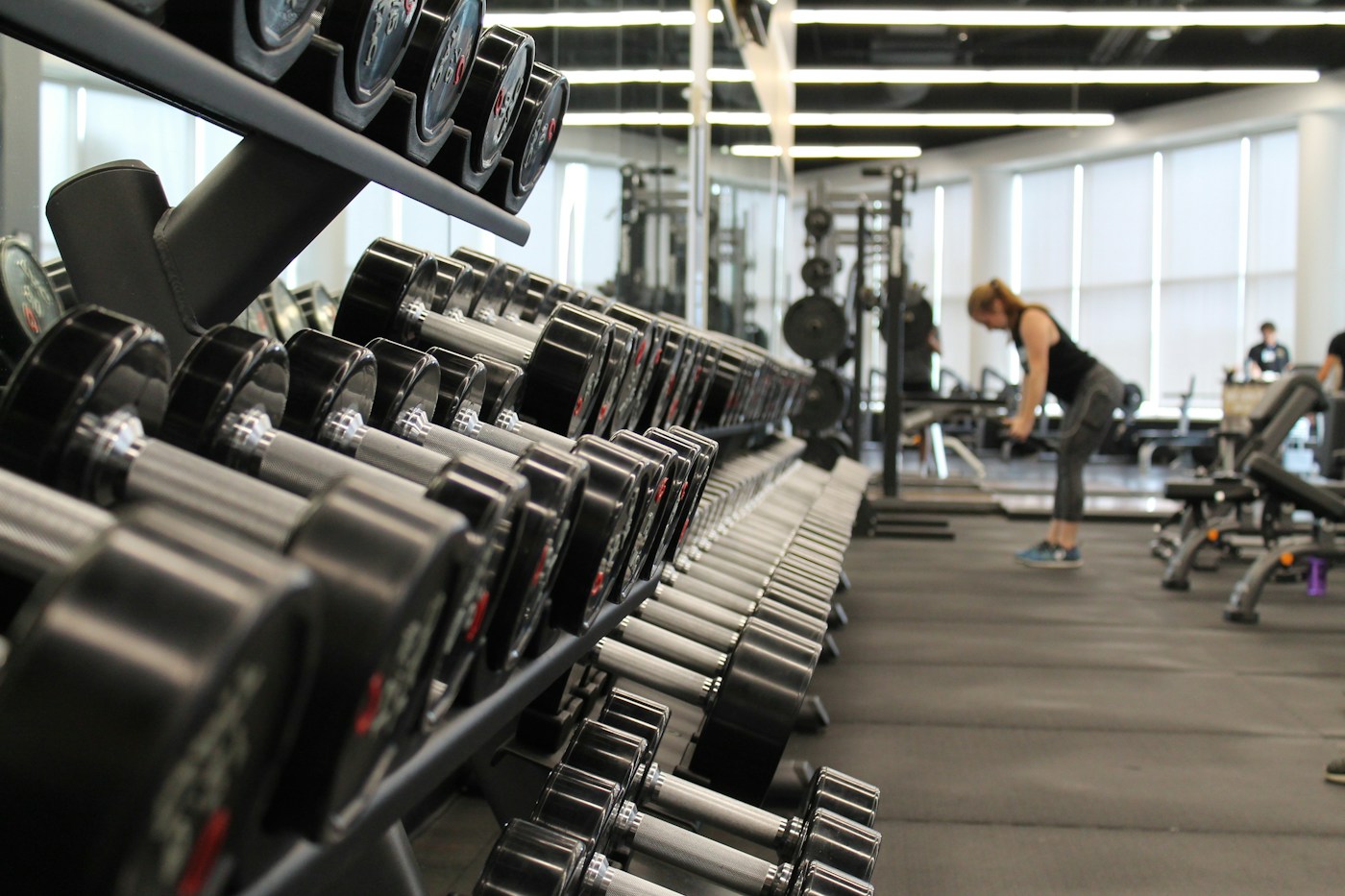
Think beyond the weight room
Strength training can sound like a specialized workout, but the basic idea is simple: make your muscles work harder than they usually do. Lifting weights is one option; resistance bands and body-weight exercises are others. Some everyday tasks, such as heavy gardening, may count when they challenge your muscles. The useful question is not whether an activity looks like a formal workout, but whether it provides a meaningful effort for the muscles you are using. ([cdc.gov](https://www.cdc.gov/physical-activity-basics/adding-adults/what-counts.html?CDC_AAref_Val=https%3A%2F%2Fwww.cdc.gov%2Fphysicalactivity%2Fbasics%2Fadults%2Findex.&utm_source=openai))
For adults, U.S. public health guidance recommends muscle-strengthening activity on at least two days each week, alongside aerobic activity. Strength work should involve the major muscle groups: legs, hips, back, abdomen, chest, shoulders, and arms. That is a weekly guideline, not a requirement to do a long or complicated session every day. ([cdc.gov](https://www.cdc.gov/physical-activity-basics/guidelines/adults.html?CDC_AAref_Val=https%3A%2F%2Fwww.cdc.gov%2Fphysicalactivity%2Fbasics%2Fadults%2F&utm_source=openai))
A practical benefit of thinking in terms of muscle groups is that it can make a routine feel more purposeful. Instead of collecting random exercises, choose a few movements that together involve several areas. This article is general wellness education, not an individualized exercise prescription; the best version of a routine depends on a person’s abilities, preferences, and circumstances.
Build a small routine around familiar movements
A beginner-friendly starting point can use movements that resemble ordinary actions. For example, sit-to-stands from a stable chair involve standing up and sitting down; wall push-ups use the wall for resistance; and a resistance-band row involves pulling a band toward the body. A hip-hinge practice—moving the hips back while keeping the movement controlled—can help someone learn a pattern used when reaching toward an object. These are examples to consider, not a claim that any one movement is right for everyone.
You might try choosing one movement for the lower body, one pushing movement, one pulling movement, and one movement for the trunk or hips. If you are using weights or bands, begin with a level of resistance that lets you learn the movement with control. A CDC guideline describes a set of 8 to 12 repetitions as one possible approach and notes that one set can be used, with two or three sets offering additional benefit. It also says the effort should make it difficult to complete another repetition without help. That is guidance, not a test you need to pass on your first day. ([cdc.gov](https://www.cdc.gov/physical-activity-basics/adding-adults/what-counts.html?CDC_AAref_Val=https%3A%2F%2Fwww.cdc.gov%2Fphysicalactivity%2Fbasics%2Fadults%2Findex.&utm_source=openai))
You do not need to copy a sample routine exactly. If you have no equipment, some body-weight movements may work; if getting down to the floor is difficult, a seated or standing option may be more practical. If you have limited space, a chair and a resistance band may be enough to explore a few patterns. Choose a setup that feels stable, and avoid making an exercise harder just because a more challenging version is popular.
Make the schedule realistic—and progress gradually
For many people, the hardest part is making a plan that fits real life. Pick two days that are reasonably separated by your schedule, such as Tuesday and Saturday, and attach the sessions to something already in your week. A short session you can repeat may be more workable than an ambitious plan that depends on perfect conditions. The two-day recommendation refers to days in the week; it does not require a particular training split or a specific time of day. ([cdc.gov](https://www.cdc.gov/physical-activity-basics/guidelines/adults.html?CDC_AAref_Val=https%3A%2F%2Fwww.cdc.gov%2Fphysicalactivity%2Fbasics%2Fadults%2F&utm_source=openai))
Keep the first version modest. You could begin with a few movements and one set of each, then repeat that plan long enough to learn what feels manageable. The federal guidelines describe gradually increasing muscle-strengthening activity over time, including adjusting effort, repetitions, sets, or days. In practice, change one thing at a time—for instance, add a repetition or use slightly more resistance—rather than changing everything at once. The right pace varies, so treat progression as an option, not a deadline. ([odphp.health.gov](https://odphp.health.gov/sites/default/files/2019-09/Physical_Activity_Guidelines_2nd_edition.pdf?utm_source=openai))
Strength work complements rather than replaces aerobic activity in the adult guidance. Moderate-intensity options can include brisk walking, water aerobics, or riding a bike on level ground, and the weekly target can be accumulated in smaller chunks. If your current activity level is low, any amount of movement is a useful starting point; you do not need to wait until you can meet the full weekly target to begin being more active. ([cdc.gov](https://www.cdc.gov/physical-activity-basics/guidelines/adults.html?CDC_AAref_Val=https%3A%2F%2Fwww.cdc.gov%2Fphysicalactivity%2Fbasics%2Fadults%2F&utm_source=openai))
Use comfort and safety as part of the plan
There is no single starting load or exercise list that suits everybody. The CDC notes that what feels moderate depends on a person’s fitness, comfort, and health, and recommends choosing activities that fit individual abilities. That makes adjustment a normal part of planning, not a sign of failure. You can shorten a range of motion, use a stable support, choose a lighter band, or ask a qualified professional to help adapt a movement. ([cdc.gov](https://www.cdc.gov/physical-activity-basics/adding-adults/what-counts.html?CDC_AAref_Val=https%3A%2F%2Fwww.cdc.gov%2Fphysicalactivity%2Fbasics%2Fadults%2Findex.&utm_source=openai))
If you have a chronic health condition, or are planning a move to vigorous-intensity activity after being inactive, CDC guidance advises checking with a health professional about the types and amounts of activity that are right for you. If an exercise causes pain or raises a concern, pause rather than pushing through it and seek appropriate professional advice. This article cannot determine the cause of symptoms or tell you which exercises are medically suitable for you. ([cdc.gov](https://www.cdc.gov/physical-activity-basics/adding-adults/?utm_source=openai))
A useful measure of success is having a repeatable plan that works with your life: a couple of weekly opportunities, a handful of movements you can do with control, and room to adapt. The public-health target can help orient your plan, but it is not an all-or-nothing threshold. Start where you are, make the routine practical, and build only when the current version feels manageable.
Sources
- https://www.cdc.gov/physical-activity-basics/guidelines/adults.html?CDC_AAref_Val=https%3A%2F%2Fwww.cdc.gov%2Fphysicalactivity%2Fbasics%2Fadults%2F
- https://www.cdc.gov/physical-activity-basics/adding-adults/what-counts.html?CDC_AAref_Val=https%3A%2F%2Fwww.cdc.gov%2Fphysicalactivity%2Fbasics%2Fadults%2Findex.
- https://www.cdc.gov/physical-activity-basics/adding-adults/
- https://odphp.health.gov/sites/default/files/2019-09/Physical_Activity_Guidelines_2nd_edition.pdf
- https://odphp.health.gov/sites/default/files/2019-09/Physical_Activity_Guidelines_2nd_edition.pdf?time=1751027024675
- https://cdc.gov/physical-activity/media/pdfs/Physical_Activity_Guidelines_2nd_edition.pdf
- https://odphp.health.gov/myhealthfinder/health-conditions/diabetes/get-active
- https://www.cdc.gov/healthy-weight-growth/physical-activity/?CDC_AAref_Val=https%3A%2F%2Fwww.cdc.gov%2Fhealthyweight%2Fphysical_activity%2Findex.html%3Fs_cid%3Dtw_ob387
- https://odphp.health.gov/moveyourway/activity-planner
- https://www.cdc.gov/moving-matters/about/?CDC_AAref_Val=https%3A%2F%2Fwww.cdc.gov%2Fphysicalactivity%2Factivepeoplehealthynation%2Fmoving-matters.html
- https://www.cdc.gov/physical-activity-basics/health-benefits/adults.html?trk=article-ssr-frontend-pulse_little-text-block
- https://odphp.health.gov/our-work/nutrition-physical-activity/physical-activity-guidelines/current-guidelines/top-10-things-know
For general education only; seek advice from a qualified health professional for personal medical decisions.
